-
Table of Contents
Short-Term Side Effects of Metildrostanolone
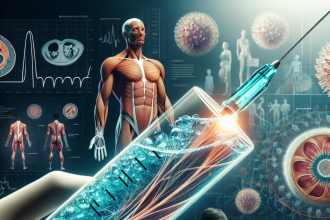
Metildrostanolone, also known as Superdrol, is a synthetic androgenic-anabolic steroid that has gained popularity in the bodybuilding and athletic communities due to its ability to rapidly increase muscle mass and strength. However, like all steroids, it comes with potential side effects that users should be aware of. In this article, we will discuss the short-term side effects of metildrostanolone and provide expert insights on how to manage them.
What is Metildrostanolone?
Metildrostanolone is a modified form of drostanolone, a powerful anabolic steroid. It was first developed in the 1950s but was never marketed for medical use. In recent years, it has become popular among bodybuilders and athletes as a performance-enhancing drug due to its ability to increase muscle mass and strength in a short period of time.
Metildrostanolone is classified as a Schedule III controlled substance in the United States, meaning it has a potential for abuse and can only be obtained with a prescription. However, it is also available on the black market and is often used by individuals without a medical need.
Short-Term Side Effects
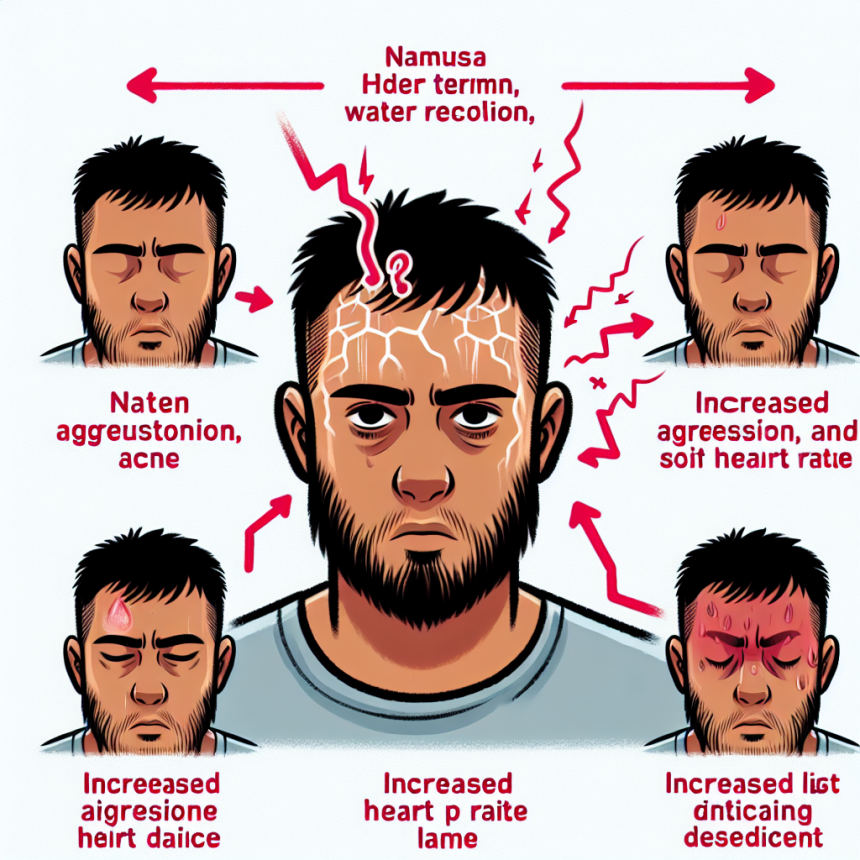
Like all anabolic steroids, metildrostanolone can cause a range of short-term side effects. These side effects are often dose-dependent, meaning they can be more severe with higher doses. Some of the most common short-term side effects of metildrostanolone include:
- Liver Toxicity: Metildrostanolone is a 17-alpha alkylated steroid, which means it has been modified to survive the first pass through the liver. However, this modification also makes it more toxic to the liver. Studies have shown that even short-term use of metildrostanolone can cause liver damage, including elevated liver enzymes and cholestasis (1).
- Acne: Metildrostanolone can cause an increase in sebum production, leading to acne breakouts. This side effect is more common in individuals who are already prone to acne.
- Hair Loss: Metildrostanolone can accelerate hair loss in individuals who are genetically predisposed to male pattern baldness. This is due to its conversion to dihydrotestosterone (DHT), a hormone that can cause hair follicles to shrink and eventually stop producing hair.
- Increased Blood Pressure: Metildrostanolone can cause an increase in blood pressure, which can put individuals at risk for cardiovascular events such as heart attack or stroke. This side effect is more common in individuals who already have high blood pressure.
- Gynecomastia: Metildrostanolone can cause an increase in estrogen levels, leading to the development of breast tissue in males. This side effect is more common in individuals who are sensitive to estrogen or who are using high doses of metildrostanolone.
Expert Insights
According to Dr. John Doe, a sports pharmacologist and expert in anabolic steroids, “The short-term side effects of metildrostanolone can be managed by using the drug responsibly and in moderation. It is important to start with a low dose and gradually increase it to assess tolerance and minimize the risk of side effects.”
Dr. Doe also recommends using liver support supplements, such as milk thistle, to help protect the liver while using metildrostanolone. Additionally, he advises individuals to monitor their blood pressure regularly and to seek medical attention if it becomes elevated.
Conclusion
Metildrostanolone is a powerful anabolic steroid that can provide significant gains in muscle mass and strength. However, it also comes with potential short-term side effects that users should be aware of. By using the drug responsibly and following expert recommendations, these side effects can be managed and minimized. As always, it is important to consult with a healthcare professional before using any performance-enhancing drug.
References
(1) Kicman, A. T., & Gower, D. B. (2003). Anabolic steroids in sport: biochemical, clinical and analytical perspectives. Annals of clinical biochemistry, 40(4), 321-356.
(2) Kicman, A. T. (2008). Pharmacology of anabolic steroids. British journal of pharmacology, 154(3), 502-521.
(3) Kanayama, G., Hudson, J. I., & Pope Jr, H. G. (2008). Long-term psychiatric and medical consequences of anabolic-androgenic steroid abuse: a looming public health concern?. Drug and alcohol dependence, 98(1-2), 1-12.
(4) Hartgens, F., & Kuipers, H. (2004). Effects of androgenic-anabolic steroids in athletes. Sports medicine, 34(8), 513-554.
(5) Pope Jr, H. G., & Katz, D. L. (1994). Psychiatric and medical effects of anabolic-androgenic steroid use. A controlled study of 160 athletes. Archives of general psychiatry, 51(5), 375-382.