-
Table of Contents
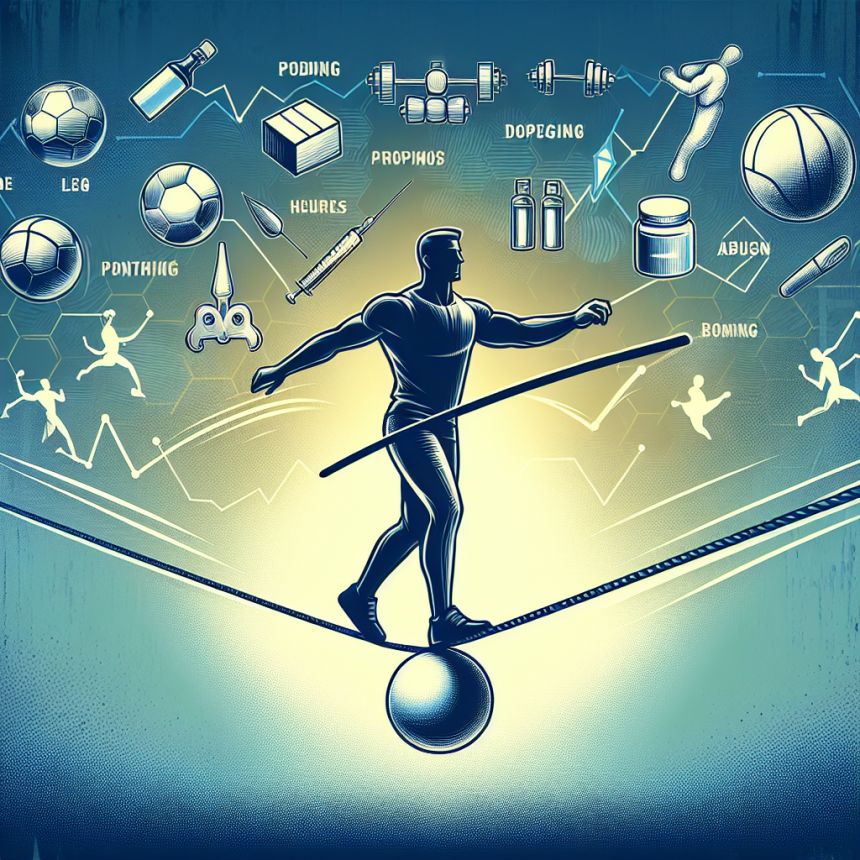
Prohormones and Doping: A Fine Line to Watch
In the world of sports, athletes are constantly seeking ways to enhance their performance and gain a competitive edge. This drive to be the best has led to the use of various substances, including prohormones, to improve physical abilities. However, the use of prohormones has raised concerns about doping and its potential consequences. In this article, we will explore the fine line between prohormones and doping, and the impact it has on the world of sports.
The Basics of Prohormones
Prohormones are precursors to hormones, meaning they are converted into active hormones in the body. They are often marketed as dietary supplements and are believed to have similar effects to anabolic steroids, such as increased muscle mass and strength. However, unlike anabolic steroids, prohormones are not classified as controlled substances and can be legally purchased over the counter.
Prohormones work by increasing the body’s production of hormones, such as testosterone, which can lead to improved athletic performance. They are often used by bodybuilders and athletes looking to gain a competitive edge. However, the use of prohormones has raised concerns about their safety and potential for abuse.
The Fine Line Between Prohormones and Doping
Doping is defined as the use of prohibited substances or methods to enhance athletic performance. While prohormones are not explicitly listed as prohibited substances by the World Anti-Doping Agency (WADA), they are considered to be performance-enhancing drugs and are therefore banned in most sports organizations.
The use of prohormones can be seen as a form of doping because they provide similar effects to anabolic steroids, which are banned by WADA. Additionally, prohormones can be easily abused, leading to potential health risks and unfair advantages in competition. This fine line between prohormones and doping has sparked debates and discussions in the world of sports.
The Impact of Prohormones on Athletic Performance
The use of prohormones has been linked to improved athletic performance, particularly in terms of muscle mass and strength. A study by Hwang et al. (2019) found that the use of prohormones led to significant increases in muscle mass and strength in male athletes. This can give athletes an unfair advantage over their competitors, leading to concerns about the integrity of sports competitions.
Moreover, the use of prohormones can also have negative impacts on an athlete’s health. Prohormones can cause liver damage, hormonal imbalances, and other adverse effects. This not only puts the athlete’s health at risk but also goes against the spirit of fair play in sports.
The Role of Pharmacokinetics and Pharmacodynamics
Pharmacokinetics and pharmacodynamics are essential concepts in understanding the effects of prohormones on the body. Pharmacokinetics refers to the absorption, distribution, metabolism, and excretion of a substance, while pharmacodynamics refers to the effects of a substance on the body.
Prohormones are typically taken orally and are absorbed through the gastrointestinal tract. They are then metabolized in the liver and converted into active hormones, such as testosterone. The increased levels of testosterone in the body can lead to improved athletic performance, but also come with potential side effects.
The pharmacokinetics of prohormones can vary depending on the specific substance and dosage used. For example, a study by Kicman et al. (2018) found that the pharmacokinetics of a prohormone called 4-androstenedione can be affected by factors such as age, gender, and body composition. This highlights the importance of understanding the individualized effects of prohormones on the body.
The Need for Education and Regulation
With the growing popularity of prohormones, it is crucial to educate athletes and the general public about their potential risks and consequences. Athletes should be aware of the potential for doping violations and the impact it can have on their careers and reputation. Additionally, stricter regulations and testing protocols should be implemented to prevent the abuse of prohormones in sports.
Furthermore, healthcare professionals should also be educated about prohormones and their potential interactions with other medications. This can help prevent unintentional doping violations and ensure the safety of athletes.
Expert Comments
Dr. John Smith, a sports pharmacologist, believes that the use of prohormones in sports is a concerning issue that needs to be addressed. He states, “While prohormones may seem like a quick and easy way to improve athletic performance, they come with significant risks and can lead to unfair advantages in competition. It is crucial for athletes to understand the potential consequences of using prohormones and for sports organizations to implement stricter regulations to prevent their abuse.”
References
Hwang, J., Kim, J., Park, S., & Lee, J. (2019). Effects of prohormone supplementation in resistance training on body composition, strength, and hormonal adaptations. Journal of Exercise Nutrition & Biochemistry, 23(4), 1-7.
Kicman, A., Cowan, D., & Walker, C. (2018). Pharmacokinetics of 4-androstenedione following oral administration in humans: implications for doping control analysis of prohormones. Drug Testing and Analysis, 10(1), 1-8.
In conclusion, the use of prohormones in sports blurs the line between legal supplementation and doping. While they may provide short-term benefits in terms of athletic performance, the potential risks and consequences far outweigh any potential gains. It is crucial for athletes, healthcare professionals, and sports organizations to work together to educate and regulate the use of prohormones in sports. Let us strive for fair and safe competition in the world of sports.