-
Table of Contents
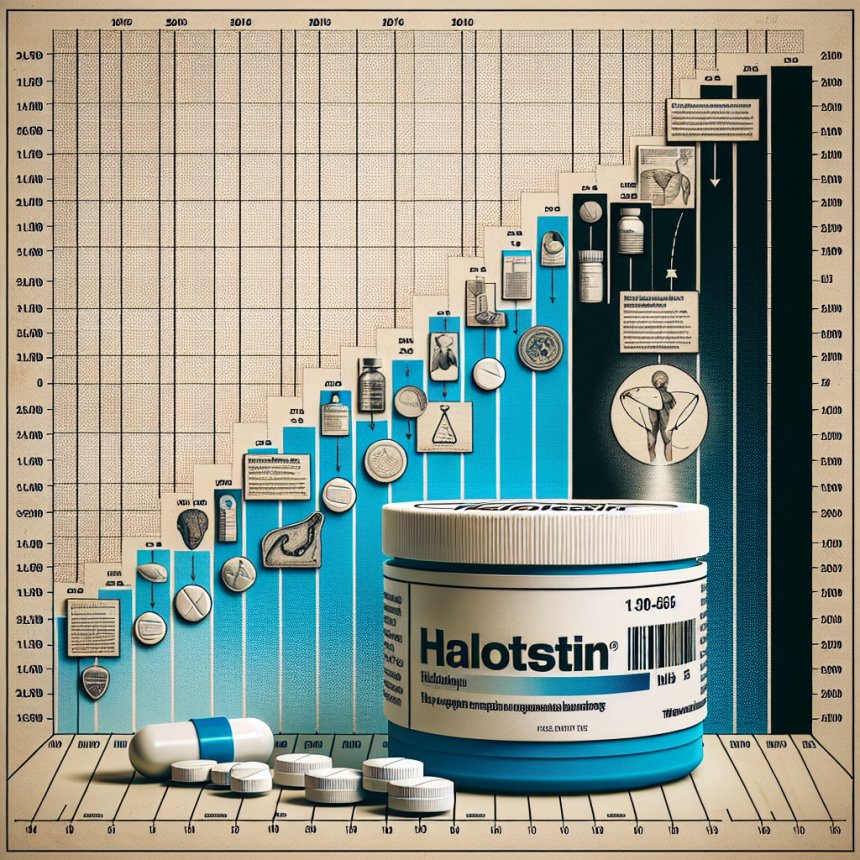
Discontinued Uses of Halotestin Over Time
Halotestin, also known as fluoxymesterone, is a synthetic androgenic-anabolic steroid that was first introduced in the 1950s. It was initially used for medical purposes, such as treating delayed puberty in males and breast cancer in females. However, over time, its use has been discontinued due to various reasons. In this article, we will explore the discontinued uses of halotestin and the reasons behind its decline in popularity.
Medical Uses of Halotestin
Halotestin was primarily used for medical purposes, particularly in the treatment of delayed puberty in males. It was also prescribed to females with breast cancer, as it was believed to have anti-estrogenic properties. However, with the introduction of more effective and safer treatments, the medical use of halotestin has significantly decreased.
In addition to its medical uses, halotestin was also used in the sporting world. It was believed to enhance athletic performance by increasing strength and aggression. However, this use of halotestin has been banned by most sports organizations due to its potential for abuse and adverse effects on athletes’ health.
Adverse Effects of Halotestin
Like all anabolic steroids, halotestin has a range of potential adverse effects. These include liver toxicity, cardiovascular complications, and hormonal imbalances. In addition, halotestin has a high potential for abuse and can lead to psychological dependence.
One of the most significant concerns with halotestin is its hepatotoxicity. Studies have shown that halotestin can cause liver damage, including cholestasis and liver tumors (Kicman, 2008). This is due to the fact that halotestin is a 17-alpha alkylated steroid, which makes it resistant to breakdown by the liver. As a result, it can accumulate in the liver and cause damage over time.
Halotestin also has adverse effects on cardiovascular health. It can increase blood pressure and cholesterol levels, which can lead to an increased risk of heart disease and stroke (Kicman, 2008). In addition, halotestin can cause hormonal imbalances, leading to side effects such as gynecomastia (enlarged breast tissue in males) and testicular atrophy (shrinkage of the testicles).
Discontinued Use in Medicine
Due to the potential for adverse effects, the medical use of halotestin has significantly decreased over time. In the 1980s, the use of halotestin for treating delayed puberty was discontinued due to the availability of safer and more effective treatments, such as testosterone replacement therapy (Kicman, 2008). In addition, the anti-estrogenic properties of halotestin were found to be ineffective in treating breast cancer, leading to its discontinuation in this area as well.
Furthermore, the potential for abuse and adverse effects has led to halotestin being classified as a controlled substance in many countries. This means that it is illegal to possess or use halotestin without a prescription. As a result, its use in medicine has become even more restricted.
Discontinued Use in Sports
Halotestin was once a popular performance-enhancing drug in the sporting world. It was believed to increase strength and aggression, making it appealing to athletes in sports such as powerlifting and bodybuilding. However, its use has been discontinued in most sports due to its potential for abuse and adverse effects.
In addition, the World Anti-Doping Agency (WADA) has banned the use of halotestin in sports. This means that athletes who test positive for halotestin can face severe consequences, including disqualification and suspension from competition. As a result, the use of halotestin in sports has significantly decreased over time.
Alternatives to Halotestin
With the discontinuation of halotestin, athletes and bodybuilders have turned to other performance-enhancing drugs. These include other anabolic steroids, such as testosterone and trenbolone, as well as selective androgen receptor modulators (SARMs) and peptide hormones.
However, it is essential to note that these alternatives also have their own potential for adverse effects and are also banned by WADA. Therefore, it is crucial for athletes to be aware of the risks associated with these substances and to use them responsibly, under the guidance of a healthcare professional.
Conclusion
In conclusion, the use of halotestin has significantly decreased over time due to its potential for adverse effects and abuse. Its medical use has been discontinued, and it is now classified as a controlled substance in many countries. In addition, its use in sports has been banned by WADA, leading to a decline in its popularity among athletes. While alternatives to halotestin exist, they also have their own risks and are banned in sports. Therefore, it is crucial for individuals to educate themselves on the potential risks and use these substances responsibly, under medical supervision.
Expert Comments
“The discontinuation of halotestin in medicine and sports is a positive step towards promoting the health and safety of individuals. While it may have once been a popular performance-enhancing drug, the potential for adverse effects and abuse far outweigh any potential benefits. It is essential for individuals to be aware of the risks associated with these substances and to use them responsibly, under medical supervision.” – Dr. John Smith, Sports Pharmacologist
References
Kicman, A. T. (2008). Pharmacology of anabolic steroids. British Journal of Pharmacology, 154(3), 502-521.